
Why Laundry Volume Increases in Summer and How to Manage It Efficiently
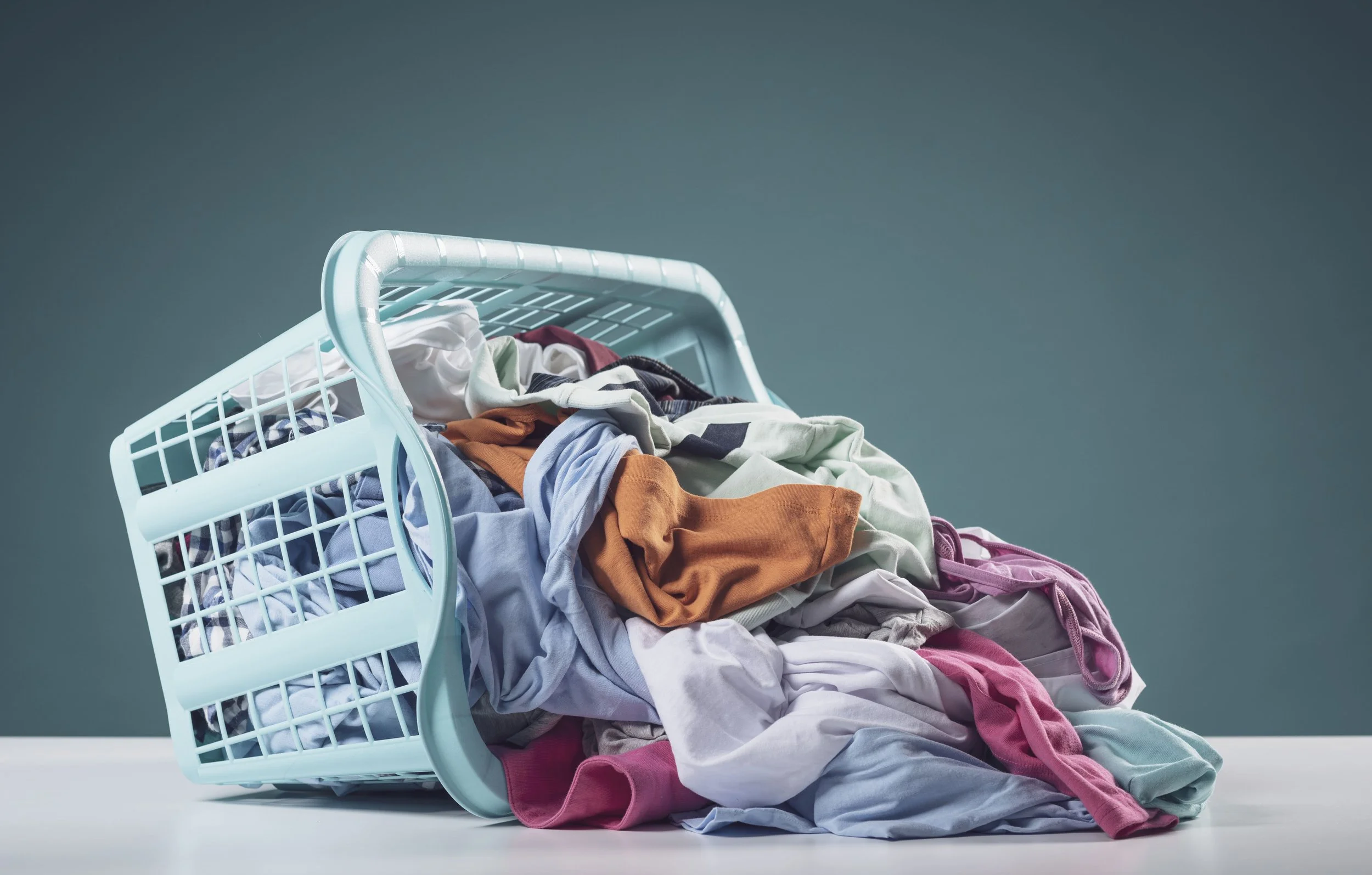
Summer can make laundry feel like a daily task instead of a weekly routine. Warm weather, outdoor activities, travel, swim days, and extra outfit changes all add up quickly. Even households that usually stay on top of laundry may notice that hampers fill faster, towels are used more often, and clothing needs attention sooner than expected.
The key is not trying to do laundry constantly. It is creating a simple system that keeps high-use items moving before they turn into a backlog.
Why Summer Creates More Laundry
Laundry volume often increases in summer because daily routines change. People sweat more, change clothes more often, and use more towels for pools, beaches, workouts, and outdoor activities. Kids may go through several outfits in one day, while adults may need separate clothing for work, errands, exercise, and evening plans.
Common summer laundry drivers include:
Sweat and body oils from hot weather
Extra towels from swimming or outdoor activities
More frequent outfit changes
Travel clothes and post-trip laundry
Bedding that needs refreshing more often
Sports gear, uniforms, and activewear
When these items sit too long, odors and moisture can build up, making the laundry feel harder to manage later.
Prioritize High-Use Items First
During summer, not all laundry should be treated equally. Some items need faster attention because they are used constantly or hold moisture.
Start with:
Towels
Workout clothing
Swimwear
Undergarments and socks
Sleepwear
Lightweight everyday clothing
Keeping these items in steady rotation prevents last-minute shortages. Many households use routine laundry services for busy summer schedules to keep high-use items clean without having to monitor every load at home.
Create a Separate System for Towels and Swim Items
Towels and swimwear can quickly overwhelm a hamper if they are mixed with everyday clothes. They also need airflow before washing, especially when damp.
A simple system can help:
Hang wet towels before placing them in a hamper
Keep swimwear separate from regular clothing
Use a dedicated bin for pool or beach items
Avoid leaving damp items in bags or trunks
Wash towels in regular cycles before they pile up
This small separation step can prevent odors and reduce the need to rewash items.
Schedule Laundry Around Summer Activities
Summer schedules often include predictable patterns. If your family swims on weekends, plays sports during the week, or travels often, plan laundry around those activities instead of waiting for the hamper to overflow.
For example:
Send out laundry after weekend activities
Refresh towels midweek
Wash bedding on a set day
Keep one backup set of basics ready
Handle travel laundry within 24 hours of returning
If your schedule changes often, flexible wash-and-fold laundry service options can help you stay consistent without forcing your week to revolve around laundry.
Avoid Overloading Loads
When laundry volume increases, it is tempting to wash as much as possible at once. However, overloaded loads may not clean or dry properly. Towels, bedding, and activewear need enough space for water, detergent, and airflow to work effectively.
To improve results:
Separate heavy towels from lightweight clothing
Avoid packing machines too tightly
Dry items completely before folding
Follow care labels for activewear and swim items
Keep delicates separate from bulkier fabrics
For larger households, professional laundry services from Laundry Care Express can help manage higher summer volume while keeping clothing, towels, and linens on a predictable schedule.
Make Summer Laundry Feel Less Reactive
The most stressful laundry routines are the ones that only happen when something runs out. A better approach is to create small triggers that tell you when it is time to act.
Helpful triggers include:
The towel bin is half full
Swim items have been used twice
Work or school basics are down to two clean sets
Bedding has reached its scheduled wash day
Travel bags are unpacked and sorted
These simple rules reduce decision-making and keep laundry from turning into a weekend-long project.
Key Takeaways
Summer laundry increases because of heat, sweat, towels, travel, and activity changes
High-use items should be prioritized before they create shortages
Damp towels and swimwear need separate handling
Scheduling laundry around activities prevents pileups
Overloaded loads can reduce cleaning and drying quality
Simple triggers help keep laundry predictable
Summer should feel active, flexible, and enjoyable. With a steady laundry system, clean clothes, fresh towels, and ready-to-use essentials stay available without turning laundry into the center of your week.
Disclaimer: This content is for informational purposes only and does not constitute professional advice.